The Strange Stretch of Time We All Know Too Well
Waiting is universal. For individuals in Maryland and DC, this reflection explores how waiting shapes emotional life, emotional life, and the quiet spaces in between.
What is your earliest memory of waiting? What is your recent memory of waiting?
Most pregnant women would say waiting for that first contraction is the hardest part. Children would no doubt name waiting to open their presents on their birthday. Teenagers might say waiting to be old enough to drive or graduate. Parents might say, “Waiting for that last child to move out and be on their own.” Midlife adults might say, “Waiting for test results.”
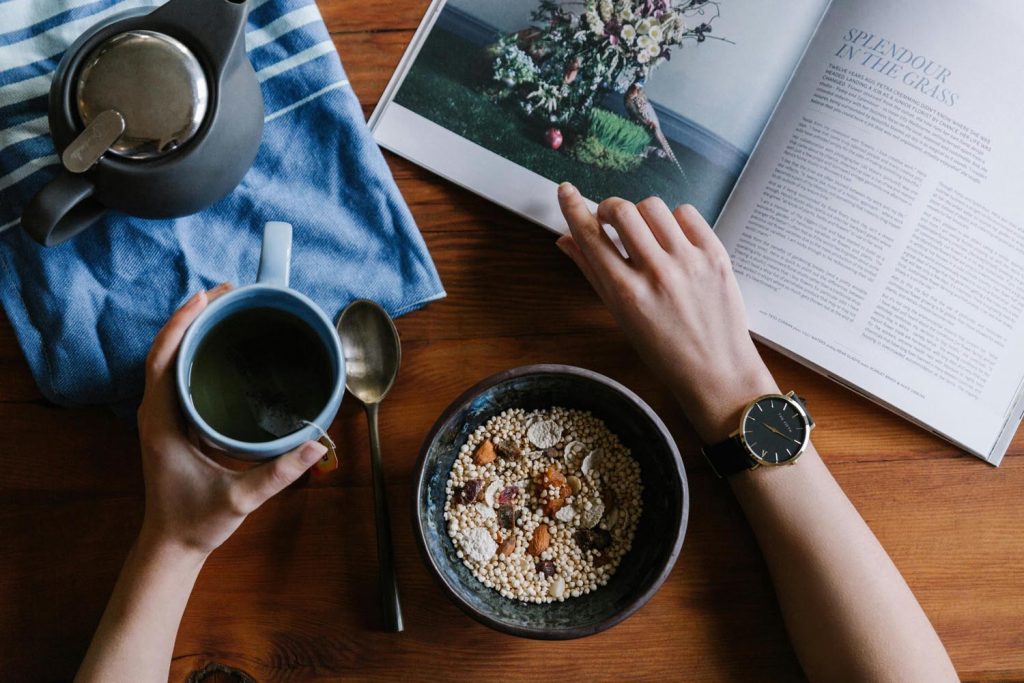
Waiting is a part of life. In fact, it might be the biggest part of life. Think of how many times you are in a waiting position, waiting for the water to boil for your morning tea, waiting for the light to change from red to green, waiting for the elderly lady dragging one of those rolling carts to complete the trek across the street so you can proceed, waiting for the bath to fill so you can soak.
Waiting can be frustrating, whether you are waiting for something good or not. The statistics on waiting say that we spend less time than we think. Across the lifespan, 5% to 11% of our lives is spent waiting, according to a surveyor who bothers to collect such data. I will say that they have clearly not been watching me. Waiting is painful, and I am quite sure it takes up way more time than that.
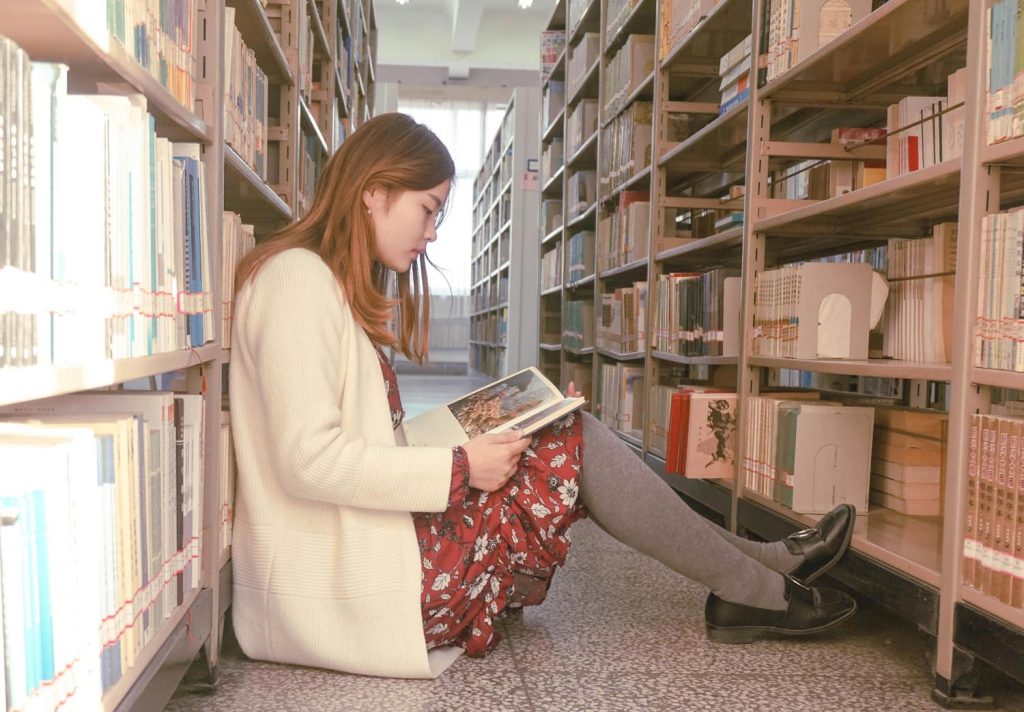
What are the things you can do while waiting? Doctors’ offices used to have magazines. Since COVID, those have disappeared, and even if they have reappeared, you might want to be careful. You can scroll on your smartphone or play a game. The danger there is that you will not stop. I know some people who bring books with them and spend the time reading. Others bring journals and record their thoughts as they wander through their heads. Once, I saw a woman bring out her knitting, and I thought that was smart.
Some people fall asleep in the waiting room, depending on how long their charge is engaged with testing or other things. I am not too fond of those, especially the ones who snore. They are like the seatmate on the airplane who ends up leaning on you or slobbering on your magazine.
Waiting is part of life, so get used to it. One would wonder why we do not plan for it and why we are so surprised and frustrated when we are in that state. Take the line at Starbucks, for example. You know what I mean. How many things can you put in a cup of coffee? Even the pickup line at school always runs slowly, so why would you ever plan an appointment immediately next to pickup time?
Take a breath. Waiting is a part of life, and according to the statistician, it is a very, very small part of life.
Want to explore more about patience, emotional regulation, and the psychology of waiting? Visit Psychology Today’s reflections on stress and anticipation and Greater Good’s research on mindfulness and everyday resilience.
If waiting, whether for answers, change, or clarity, feels heavy in your own life, therapy can help. Learn more about individual therapy in Maryland and DC or explore therapeutic approaches that support grounding, patience, and emotional steadiness.
 By Dr. Gloria K Vanderhorst