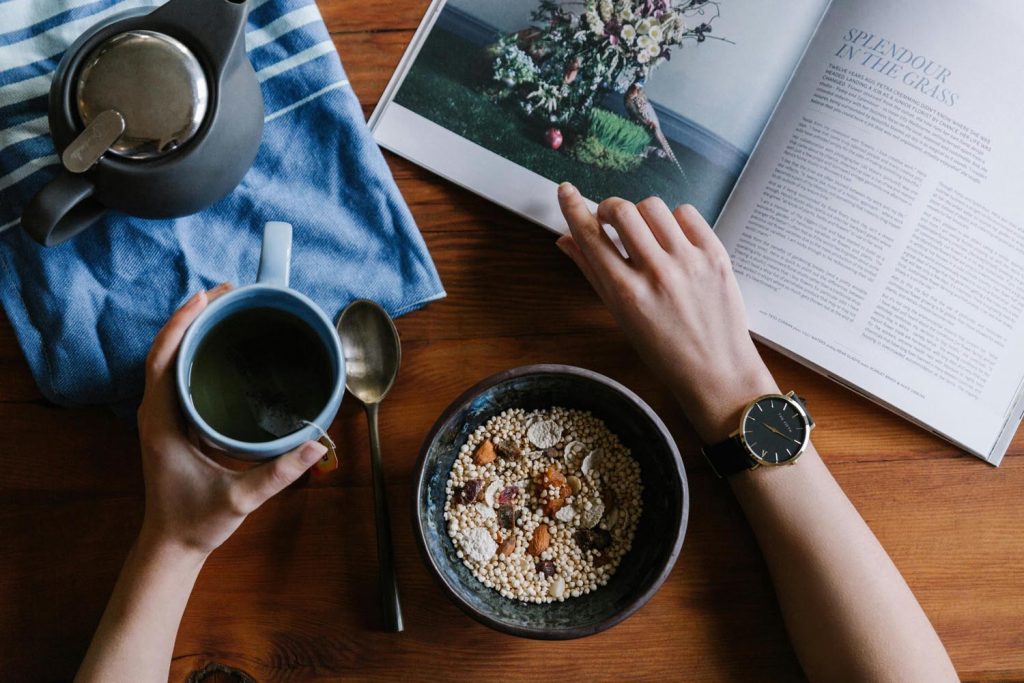
Capacity, Culture, and the Metaphor of a Meal
What Is on Your Plate? Isn’t this the question? Do you ever wonder how this reference got started? Or consider the recent GEICO commercial, where the little green guy is offered a tiny plate of food. “Who comes up with these things?”
The size of that plate should get all of us thinking. What is our capacity? How much can we really handle?
Some people are definitely in the gecko’s category, where they can only handle a small amount. Life has to be orderly, familiar, and perhaps repetitive for them to feel safe and comfortable. Some are at the other end of the spectrum and can manage a cornucopia of things with seeming ease.
Plates have been used to carry food since prehistoric times. Of course, not the china-type plates. For the caveman, the plate may have been a large leaf, a piece of animal hide, or a slab of bark. As cultures advanced, so did the plate. Egyptians used clay with fancy designs as elegant serving dishes.
The Renaissance saw the emergence of ceramic dinnerware. Colors and decorations were available, allowing the household to create their own unique designs. During the Enlightenment, the art of plate decoration was a refined art form. Today, you can find ceramic classes where plate decorating remains a popular activity.
In the modern era, plates are made of plastic. These were so durable that you could play with them as flying saucers in the backyard or street, then wash them up for dinner. And we should also include the dreaded paper plate!
But how did these practical carriers of food turn into a description of your day? The Oxford English Dictionary attributes the popularization of this phrase to the courtroom in 1928. Apparently, a witness described his plight by saying, “I have a lot on my plate.” The judge, being confused about the meaning of this, asked for clarity, and the witness referred to a life currently full of worry or problems.
So, there you have it. Having a lot on your plate is a metaphor for being burdened, busy, or occupied. What size is your plate?
Want to explore how emotional load and personal boundaries shape well-being? Visit Psychology Today’s guide to managing emotional load and Greater Good’s article on setting boundaries without guilt.
If you’re navigating overwhelm, emotional strain, or life balance, therapy can help. Learn more about individual therapy in Maryland and DC or explore therapeutic approaches that support clarity, capacity, and emotional resilience.

 By Dr. Gloria K Vanderhorst