HOBBIES
Expression, Adventure, and the Emotional Power of Leisure
Hobbies aren’t just pastimes—they’re portals to identity. For individuals in Maryland and DC, this reflection explores how hobbies offer emotional nourishment, creative freedom, and a sense of purpose beyond survival.
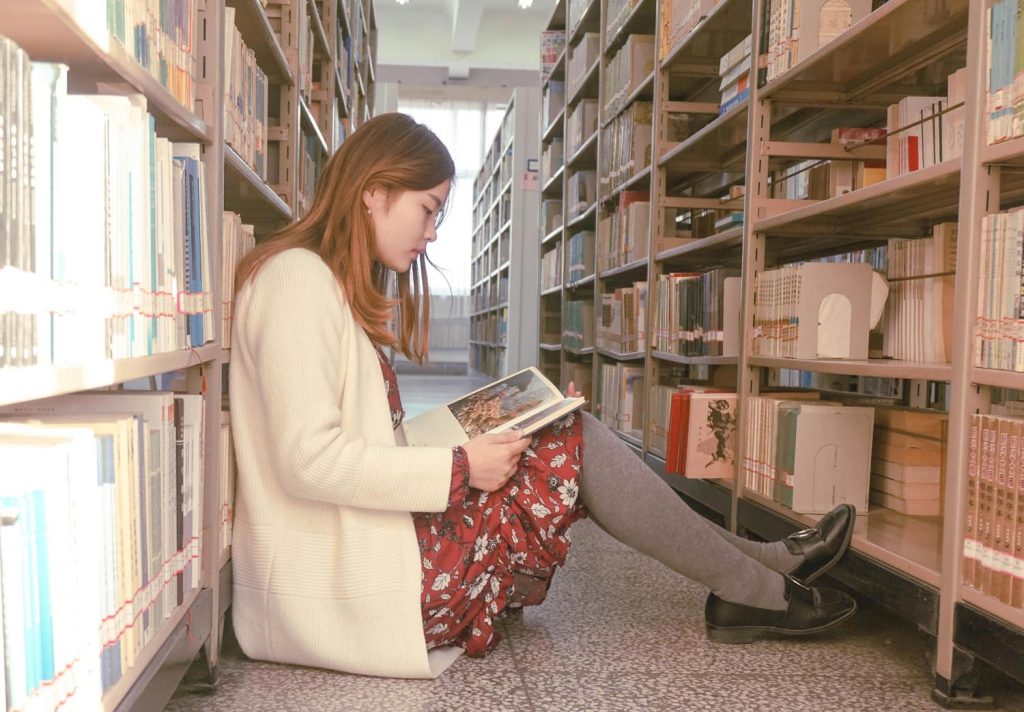
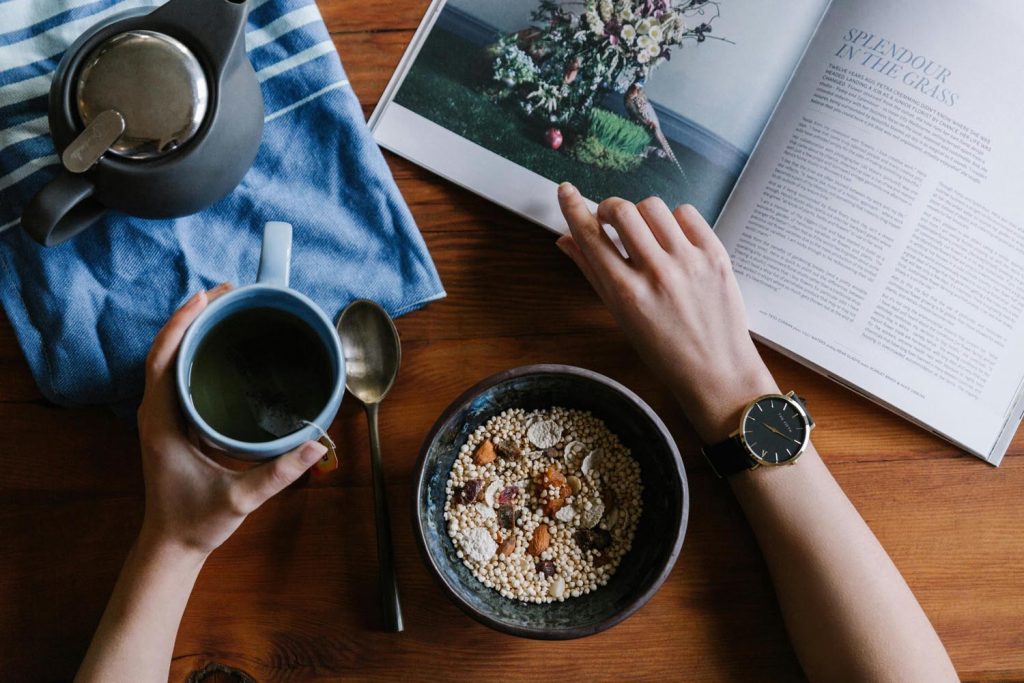
Hobbies are a luxury spawned by free time away from making a living or working on your farm, servitude, or profession. Of course, royalty always had hobbies because they had servants and farmhands to do all the work. The elite filled their days with hobbies. Today, we have large stores and markets devoted to hobbies. We have leisure time and enjoy a variety of hobbies, from reading interesting books to creating art to building furniture and sculpture.
Not all hobbies are indoor activities. Birdwatching, photography, and hunting are all popular hobbies. Anything can turn into a hobby. You could collect leaves, bugs, or rocks. You could embroider hankies or knit scarves and hats. You could build doll furniture and miniature trains to run on tracks in your basement.
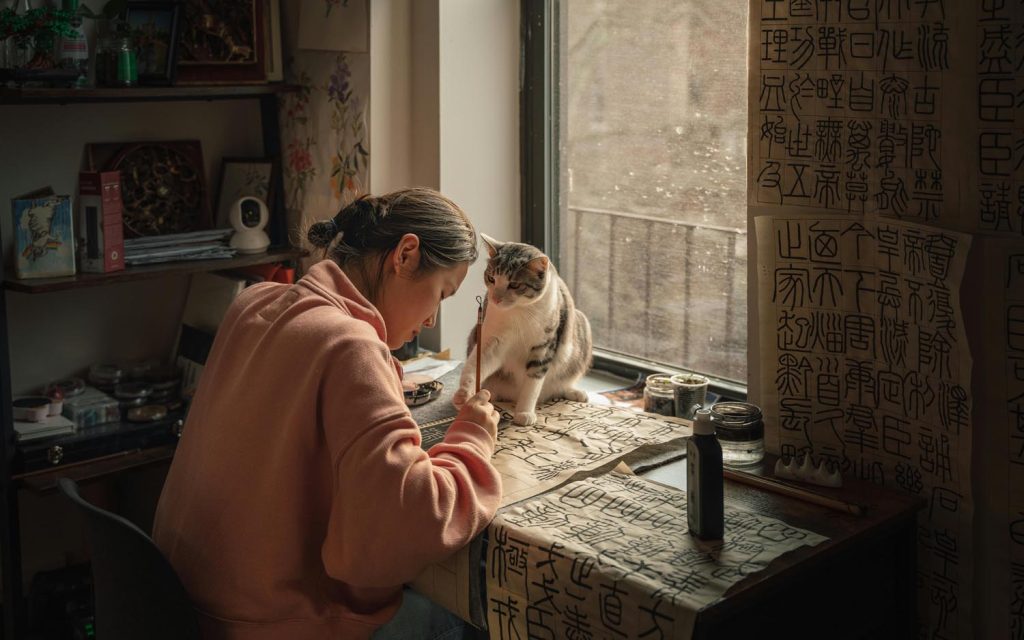
The beauty of a hobby is that it is an expression of your inner self. Are you an artist? A builder? An arborist? A plant enthusiast? A music lover or a player? A book lover? Anything is possible.
The act of having time to pursue something that is not necessary for survival is quite new. Our ancestors had to raise crops, husband animals, and gather food to survive. The luxury of having time to do anything other than provide for your family is really quite rare.
Unless you were part of the royalty, hobbies were not in your vocabulary. Now almost everyone has a hobby. Some study facts in hopes of landing a spot on a well-known television show like Jeopardy. Some enjoy the outdoors through golfing or hunting. Some stick to the safer environment of bowling. Others enjoy archery or horseback riding. Any possible sport is available.
Many enjoy a time of pleasure from their favorite recliner as they engage in stamp collecting or various other forms of collecting. My mother used to collect cream pitchers. She must have had more than a hundred of them. Some were exquisite, some were kitschy, and some were fit for royalty. She loved the process, and the stories that went along with each treasure were always fascinating.
The act of collecting may not be about the object. Collecting may be about the adventure. I know that my mother’s pitcher collection was a history of travel, and stopping at antique stores throughout the country in search of the next treasure. The adventure was often more important than the object.
Adventure is an interesting concept. At first, one thinks of foreign travel or treasure hunting. Yes, that is truly adventure. However, adventure can happen much closer to home.
I remember our daughter playing in the “woods” at the edge of our property, building villages, and burying treasure. She and the young boy who lived behind us spent hours playing in the borders of trees and bushes. There may be treasure buried in those parts of the landscaping to this day.
Want to explore how hobbies support emotional well-being and personal growth? Visit Reality Pathing’s guide to nurturing emotional health through hobbies, Utah State University’s insights on hobbies and mental health, and Harvard Health’s research on hobbies and happiness.
If you’re reflecting on creativity, emotional connection, or the joy of leisure, therapy can help. Learn more about individual therapy in Maryland and DC or explore therapeutic approaches that support insight, balance, and personal fulfillment.
 By Dr. Gloria K Vanderhorst