Skip to content

Written by Online therapist Dr. Gloria Vanderhorst, Ph.D.

Emotional Strength in Boys | Why Connection Matters More Than Toughness

Why True Strength in Boys Begins With Connection, Not Toughness

What if emotional strength in boys has nothing to do with toughening them up?

What if it begins with helping them stay connected to themselves?

In this conversation on Advisor with Stacey Chillemi, I sit down with Lisa Urbanski to explore a pattern that has shaped generations of boys—and the men they become.

This is not just a parenting conversation.
It is a cultural one.

Because when boys are taught to suppress emotion, they do not become stronger. They become disconnected—from themselves, from others, and from the relationships that sustain them.

In this episode, we explore:

  • Why boys are often taught, directly and indirectly, to suppress emotion
  • How emotional disconnection shows up later in relationships, conflict, and communication
  • What true emotional strength actually looks like
  • How parents can begin building emotional vocabulary at home
  • Why fathers and male role models play such a critical role
  • What to do if you feel like you have already made mistakes

We also talk about what this looks like in real life.

A boy who is only allowed to express anger grows into a man with a very limited emotional language.

A child who is told “you’re fine” instead of being comforted learns to question his own experience.

And a home that is always busy, distracted, or focused on logistics can unintentionally lose the very connection children need most.

Emotions are not meant to isolate us.
They are meant to connect us.

And when we begin to treat them that way, everything changes—how boys grow, how men relate, and how families function.

If you have ever wondered how to support a boy, or a man, in becoming more emotionally connected, this conversation offers a place to begin.

🎧 Watch the full episode:
Advisor – Full Episode

For more reflections on boys’ emotional development, parenting, and cultural patterns, explore articles on Psychology Today and research from Greater Good Science Center.

If you are raising a boy, supporting a partner, or noticing emotional patterns in yourself that you want to understand more deeply, therapy can help. Learn more about individual therapy in Maryland and DC or explore therapeutic approaches that support emotional connection, resilience, and growth.

Warmly,
Dr. Gloria Vanderhorst
related blog post by Dr. Gloria Vanderhorst, Ph.D.

Read more of my stories and reflections

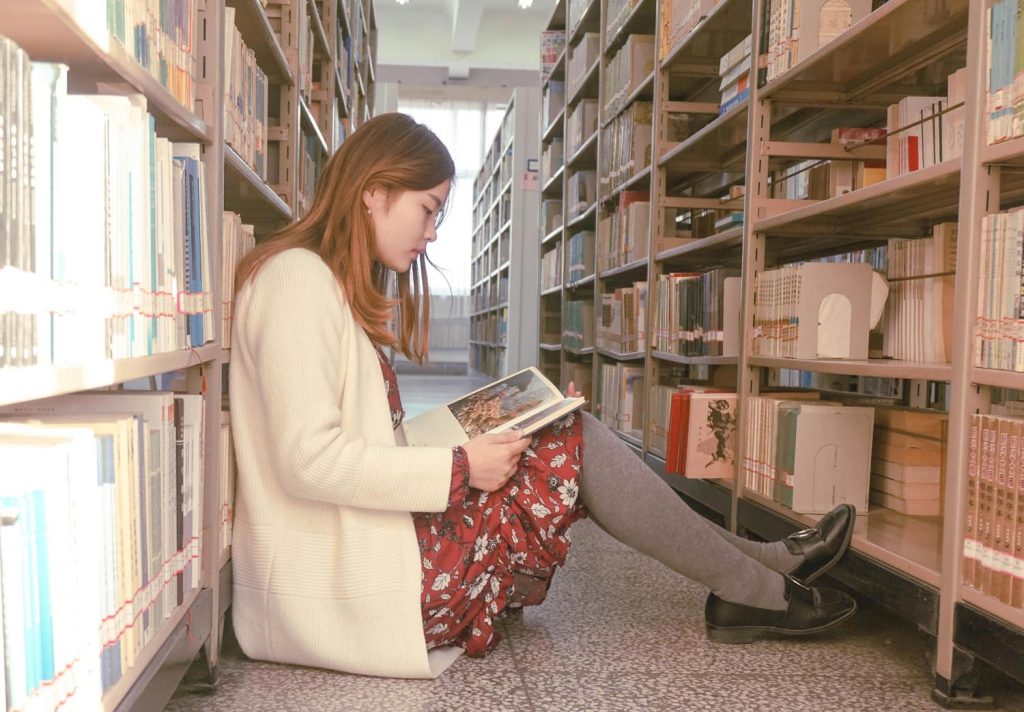
Student sitting on a college campus with a book about Masculinity and fatherhood and raising boys, symbolizing Understanding Men’s Emotional Lives, brain, and independence in Maryland and DC.

WHERE DO OUR IDEAS ABOUT MASCULINITY COME FROM?

Unlearning What We Inherited and Making Space for Emotional Truth About Masculinity We rarely stop to ask where our ideas about masculinity actually come from. We inherit them, from family, from culture, from school, from silence, from what was rewarded and what was discouraged. I joined The James Finochio Show
Read My Post
Participants engaged in active listening during mediation thinking about while change feels hard during childhood, illustrating brain wiring, Emotional Healing, and mediation skills in online therapy in Maryland and DC.

Why Change Feels Hard | Understanding Your Nervous System and Emotional Patterns

Change Feels Hard And It’s Not About Willpower, It’s About Your Nervous System We often think change is about willpower. Try harder. Push through. Be more disciplined. But in reality, change is often blocked by something much deeper: the patterns our nervous system learned long before we ever had language
Read My Post
Woman being present observing a fly resting on a tree with spring sunlight streaming in, breathing in the bloom scent, symbolizing unexpected connection and emotional reflection on love in Maryland and DC.

Spring

The Quiet Joy of Early Spring in Maryland and DC Ahh, we can get outside again. Just when the four walls begin to feel unbearable, the temperature rises, and the lure of the garden wins. Daffodils appear everywhere, trumpeting their beauty and variety. Who knew there were so many kinds?
Read My Post
Photo of woman engaged in deep listening during a discussion about brain wiring and mediation with her family therapist as she's growing older.

Growing Older

The Shifting Landscape of Care, Memory, and Connection in Growing Older Growing older is never just about the person aging. It reshapes families, memories, roles, and the ways we stay connected to one another. Recently, I was talking with a friend who has an elderly mother. She and her mother
Read My Post